
Designing for Wellbeing: How Wellness Trends Are Shaping Today's Communities
Residents are paying more attention to wellness when choosing where to live, work, study, and spend time. The Global Wellness Institute says the wellness real estate sector is now worth $548 billion worldwide and could top $1 trillion by 2029. Its 2026 research also found that 60% of consumers cited health and wellness as the number one reason they want certain home features, showing just how much these expectations are influencing the places people choose to live.
We see this change across the markets Design Environments works in. Prioritizing wellness might involve high-ticket amenities like the fitness center or pool, but it also emphasizes access to nature, places to connect with others, or simply spaces that make everyday life feel a little easier.
Wellness in Multifamily Design
In multifamily communities, wellness has become part of the overall resident experience. Developers are looking at natural elements, outdoor spaces, social areas, and quiet places where residents can relax and recharge.
Biophilic design is getting more attention as part of that shift. It brings elements of nature into the built environment through natural materials, plants, natural light, outdoor connections, and organic textures. The Global Wellness Institute identifies biophilic elements, green space, and community connectivity as part of the broader move toward wellness-focused real estate.
A perfect example is the Alta Lofts at the Levee in Nashville, TN. This wellness-first property incorporates amenities and design features that emphasize wellbeing around ever turn. (Notice how the natural beauty of the neighboring river seamlessly adds to the outdoor experience).

Alta Lofts at the Levee embraces the natural beauty of the community’s surroundings.
At Alta Dove Valley, natural wood, stone textures, marble, neutral colors, and warm metallic accents create a calm residential environment. Biophilic elements bring it all together in the community spaces where residents and guests gather. Here, wellness comes through the overall feel of the community rather than one dedicated space.
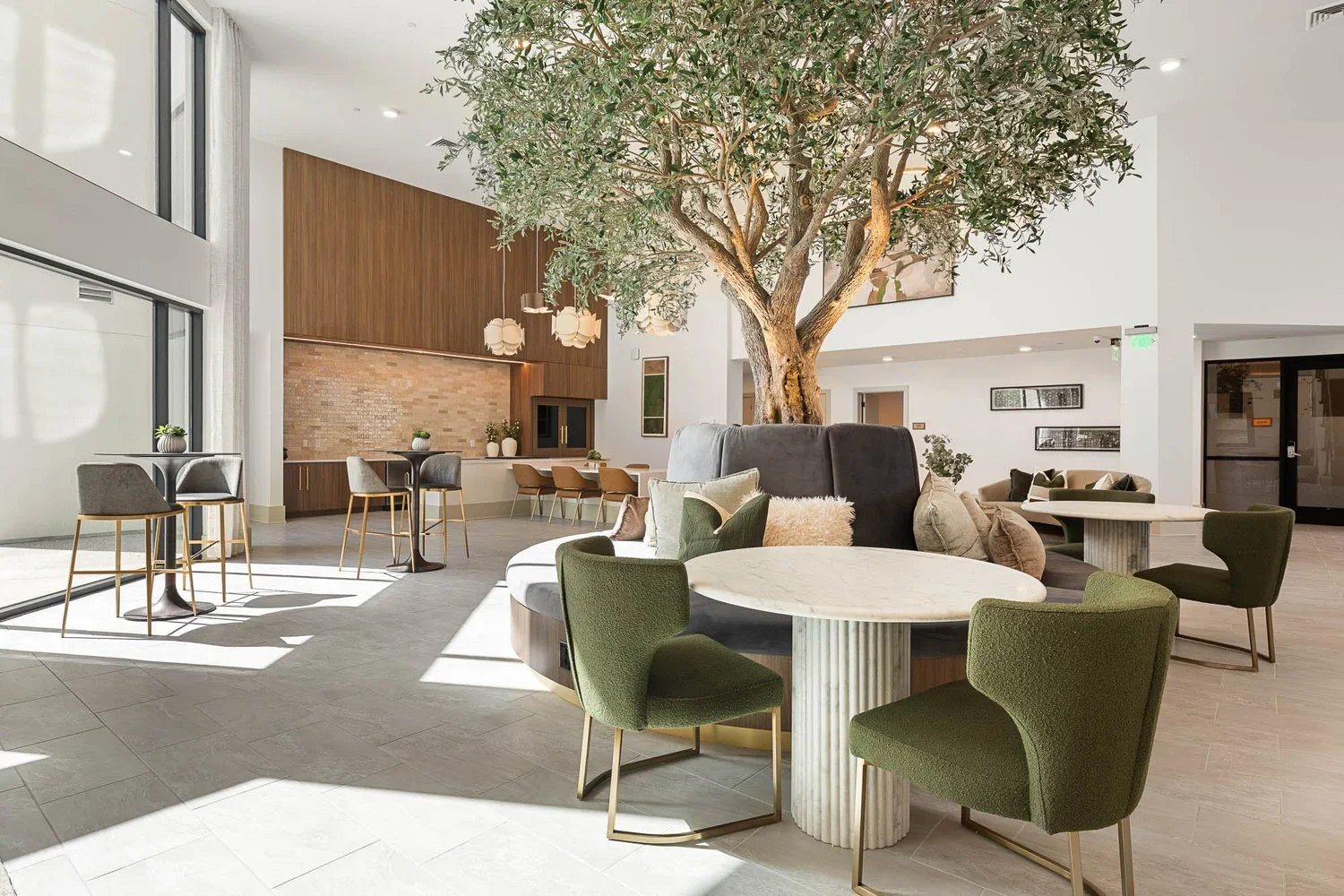
Natural, biophilic inspirations give the public spaces at Alta Dove Valley a welcoming feel and a wow factor.
At Alta Piney Creek in Aurora, Colorado, the approach is more active. The community offers shared spaces, a fitness center, heated pool and spa, gear shop, and pet spa, giving residents different ways to stay active and enjoy their time at home. Here, wellness doesn't have to be limited to one area of a community. It can show up throughout the spaces residents use every day.
Student Housing expands the Wellness Conversation
Multi-Housing News recently looked at how student housing operators are putting more emphasis on the resident experience as rent growth normalizes and competition increases. The article notes that wellness-focused offerings, outdoor spaces, and purpose-built study areas are directly influencing leasing outcomes.
Landmark Properties Managing Director Max LaVictoire summed up the shift, stating: “Wellness continues to be a major focus and driver of leasing for residents.” Landmark has connected its fitness facilities with wellness suites and pool and spa services to create a more complete experience around mental health, physical health, longevity, and community.
Hoozzee's 2026 student housing trends report points to a similar shift, highlighting meditation rooms, yoga studios, outdoor green spaces, quiet zones, recovery spaces, and expanded fitness areas as examples of wellness-focused amenities. The report also calls out community-oriented design, including shared spaces that encourage residents to interact and build connections.
The Mark Austin is a good example of how these different needs can come together. The student housing community includes a two-story fitness center, academic lounges, small group study rooms, a computer lab, rooftop pool, courtyard, hammocks, game room, bowling alley, resident clubroom, sauna, and other shared spaces.
Students need places to focus, but they also need opportunities to exercise, spend time outside, relax, and connect with others. In student housing, wellness can mean creating options for all of those parts of daily life.
Designing for Wellness in Senior Living
In senior living, wellness takes on another dimension, where strong wellbeing and community can have a direct correlation with health. The goal isn't just to provide places for exercise or recreation, but to create environments that support healthy habits, social connection, independence, and a sense of home.
At the Glenaire Wellness Expansion, for example, wellness was at the heart of the design. The project creates a home-like setting for residents in independent living, assisted living, and adult daycare, combining health and wellness spaces with dining, entertainment, and gathering areas.
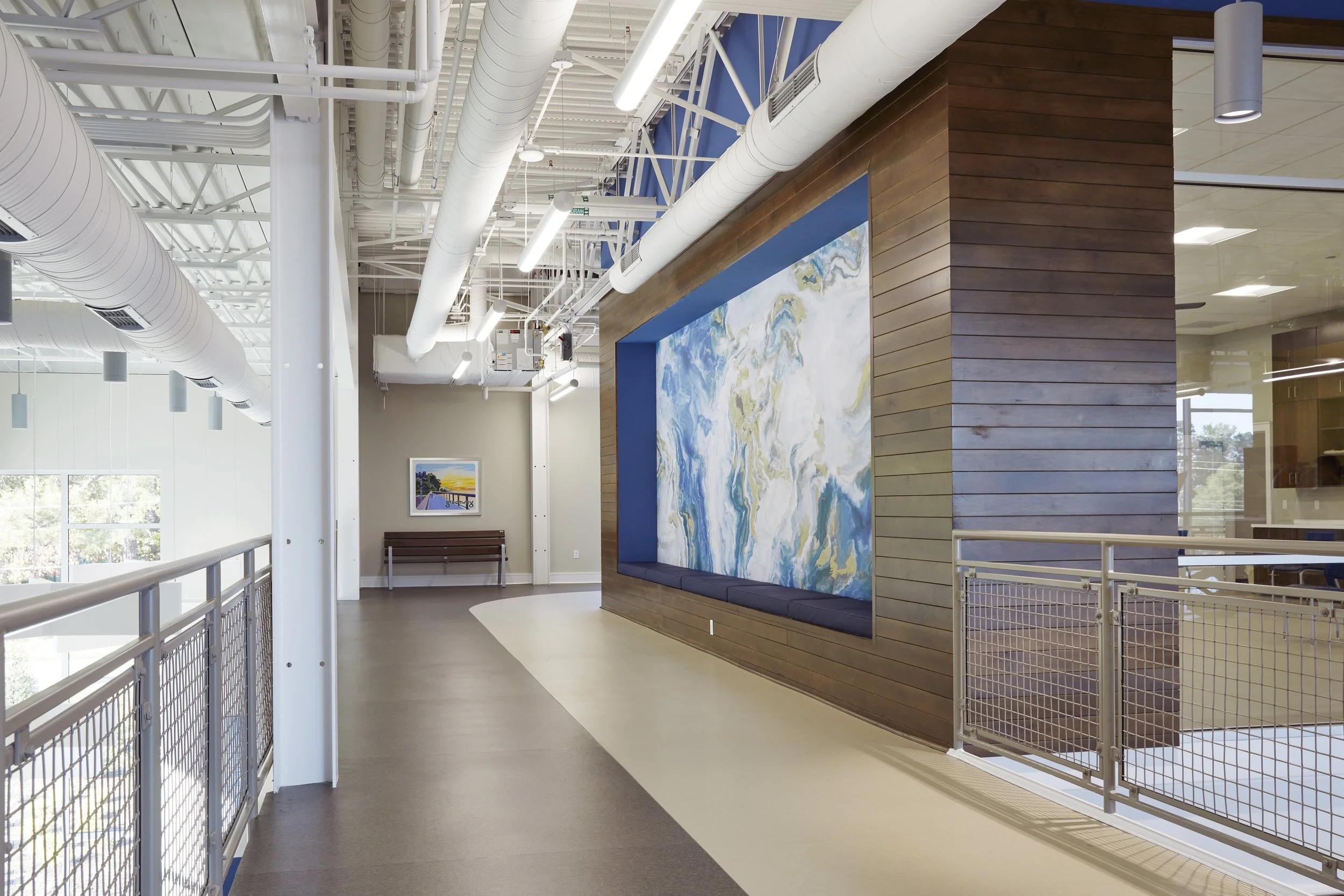
Uplifting artwork selections integrate with the natural daylight, lofty architecture and open floorplan of the Glenaire Wellness Center to create an inspiring environment that encourages activity.
For designers and developers, wellness is becoming something to consider from the beginning of a project rather than an amenity added at the end. The spaces, materials, and amenities selected early in the process can all play a role in how people experience a community.
When wellness is considered from the beginning, design can make everyday spaces more comfortable, connected, and supportive. At Design Environments, we combine interior design, FF&E procurement, planning, logistics, and installation to help clients create spaces that support the people who use them.
Interested in planning for wellness from the start? Let’s connect you with our team.