Adaptive Reuse: Giving an Existing Space a New Look and Purpose

Some of the most compelling projects start with an existing story.
Across hospitality, multifamily, mixed-use, and commercial sectors, adaptive reuse continues to build momentum as developers look for creative ways to reposition existing buildings for modern users. Rather than starting from the ground up, these projects embrace the character, history, and architectural features already in place, transforming them into environments designed for today's needs. We see this all the time.
Adaptive reuse offers a unique opportunity to preserve connection to a place while creating new value for owners, residents, guests, and communities.
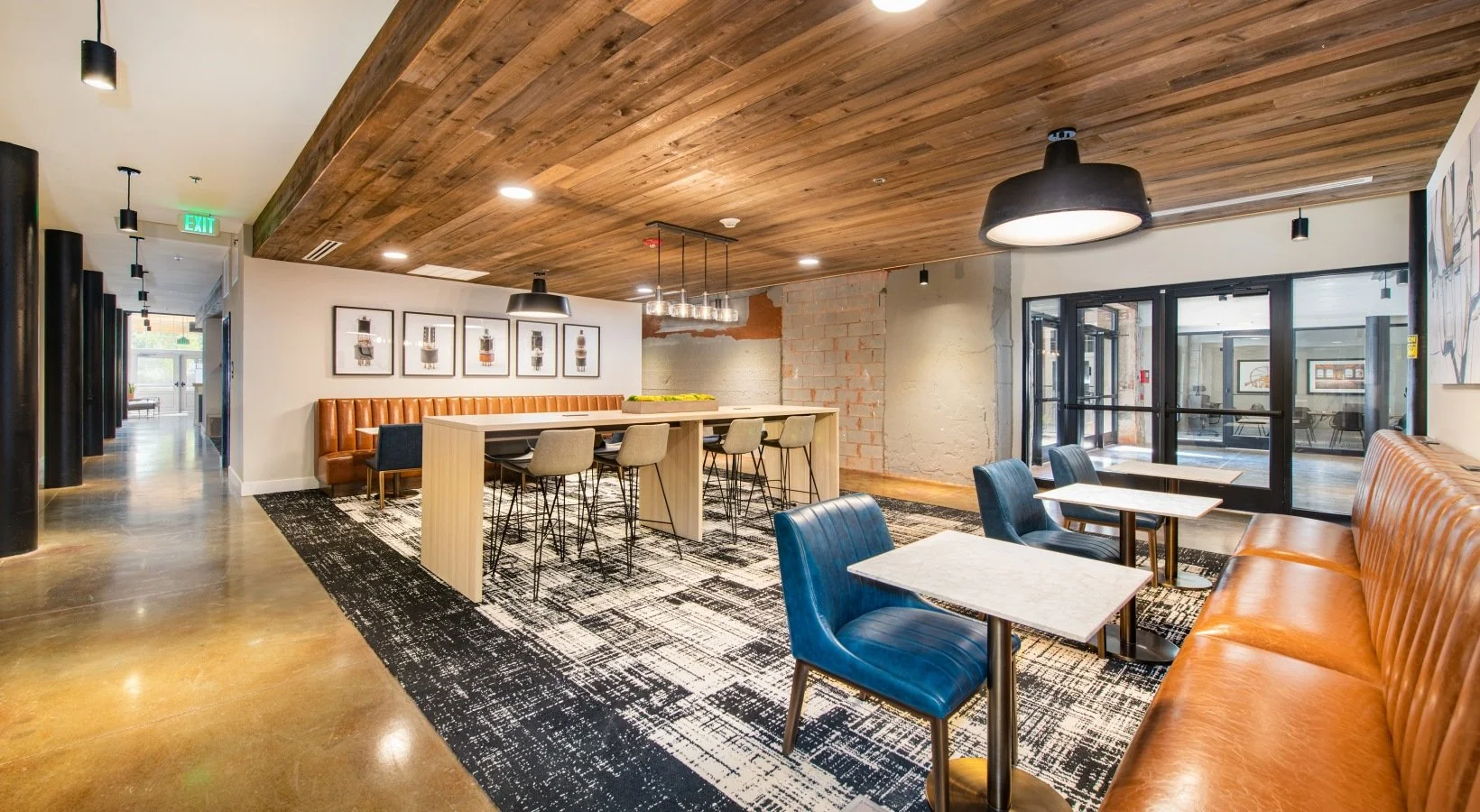
At Choice Hotel’s Cambria Hotel Boston Logan Airport, for example, a historic shoe factory was transformed into a newly revitalized hospitality destination that celebrates the neighborhood's industrial roots. Curated artwork, thoughtful material selections, and design details inspired by the area's manufacturing history create a guest experience that feels connected to East Boston while meeting the expectations of today's travelers.
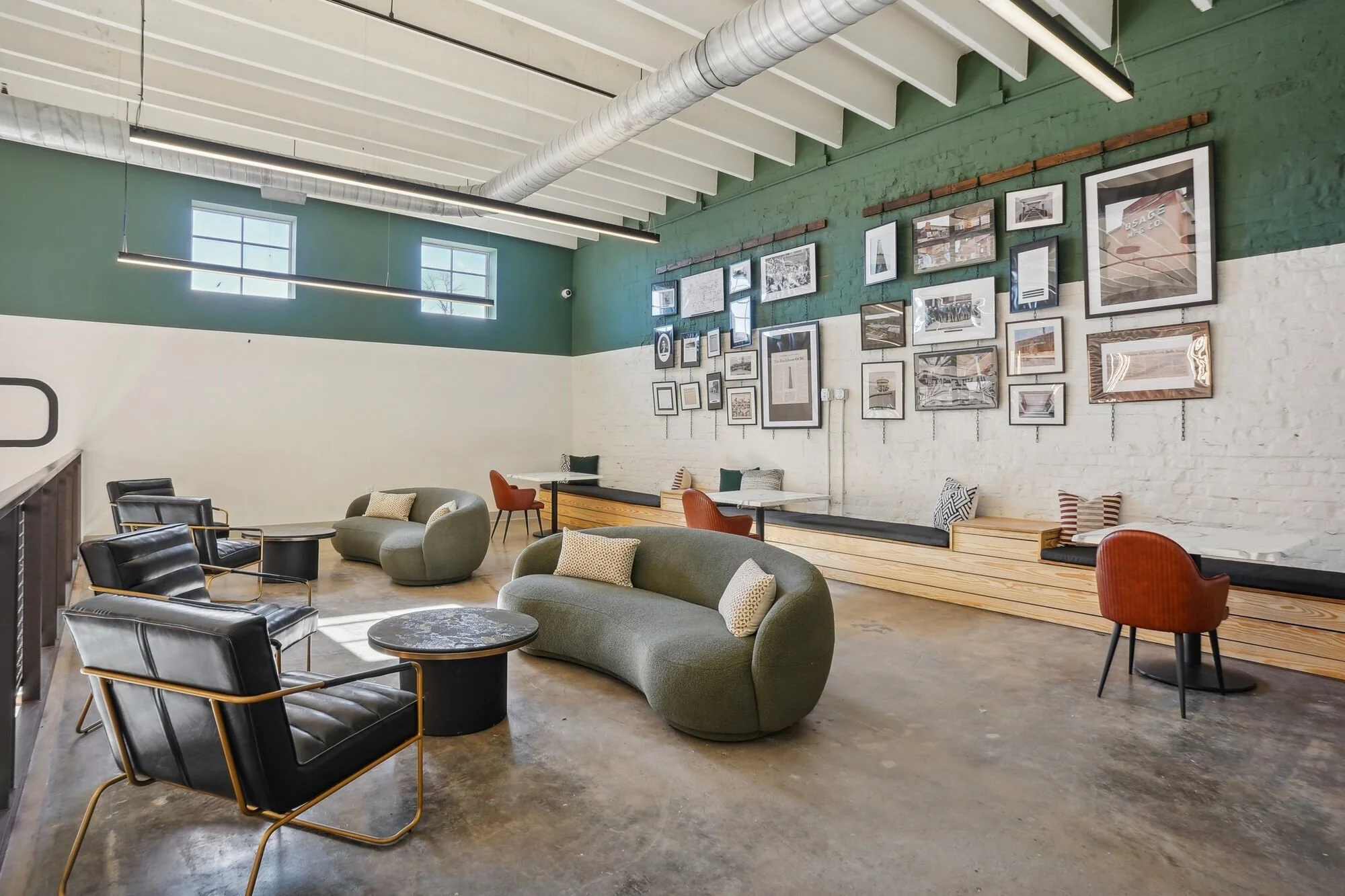
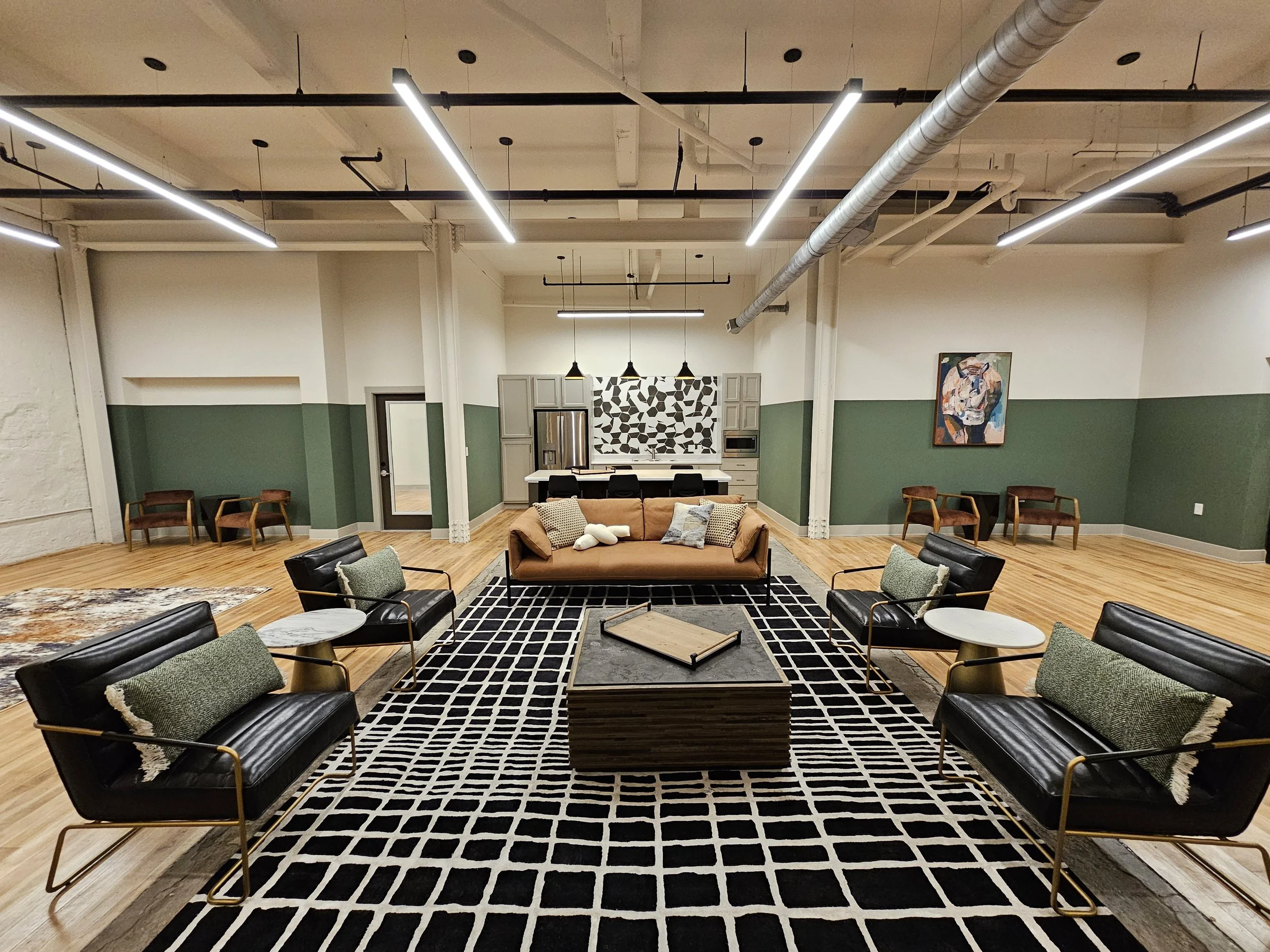
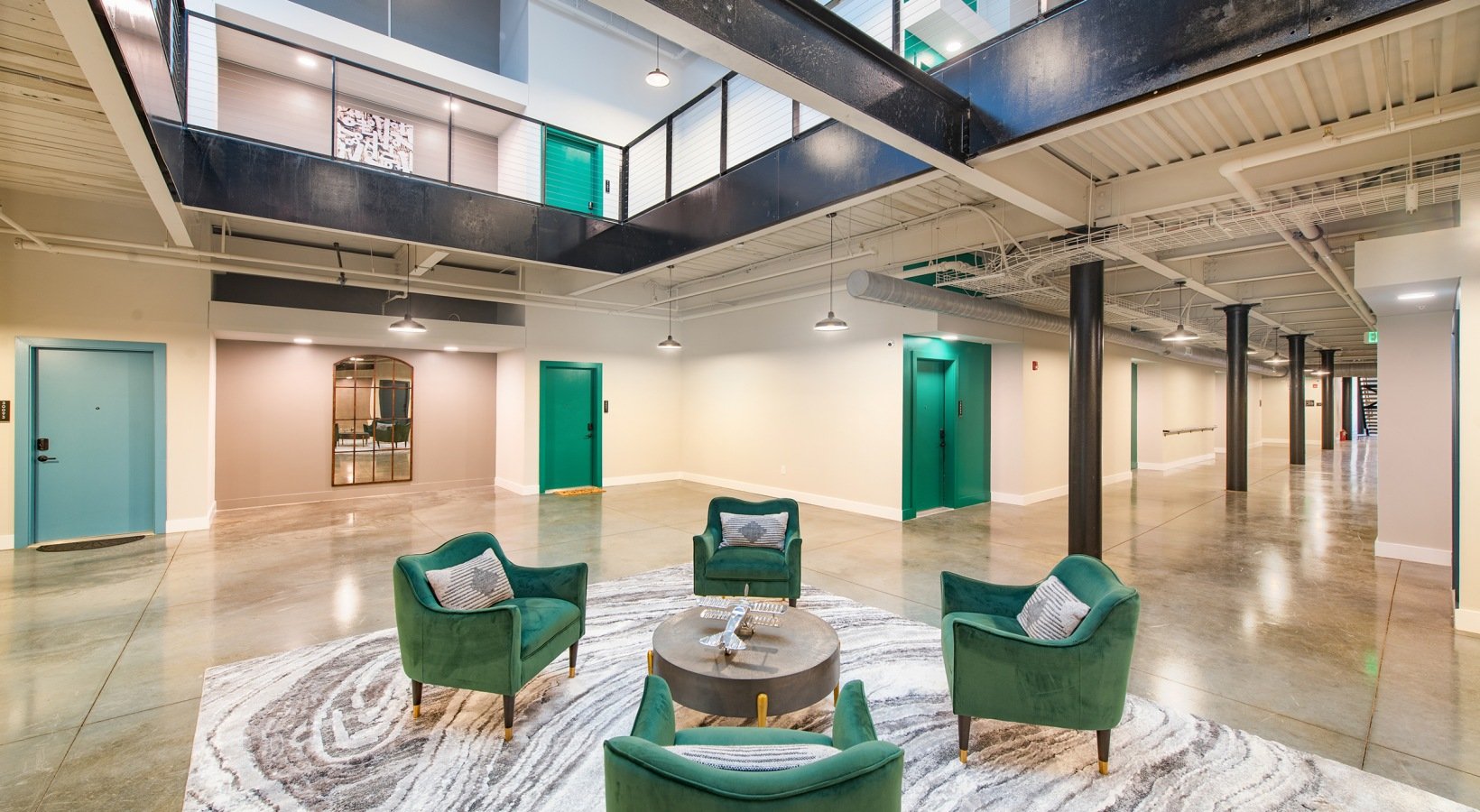
The Lofts at Osage Mill demonstrates how historic structures can be reimagined for residential living. The former textile mill was transformed into 139 affordable apartment homes, where modern finishes and intentional pops of color complement the building's original character. A custom timeline design element highlights the mill's history and impact on the surrounding community, creating a meaningful connection between past and present.
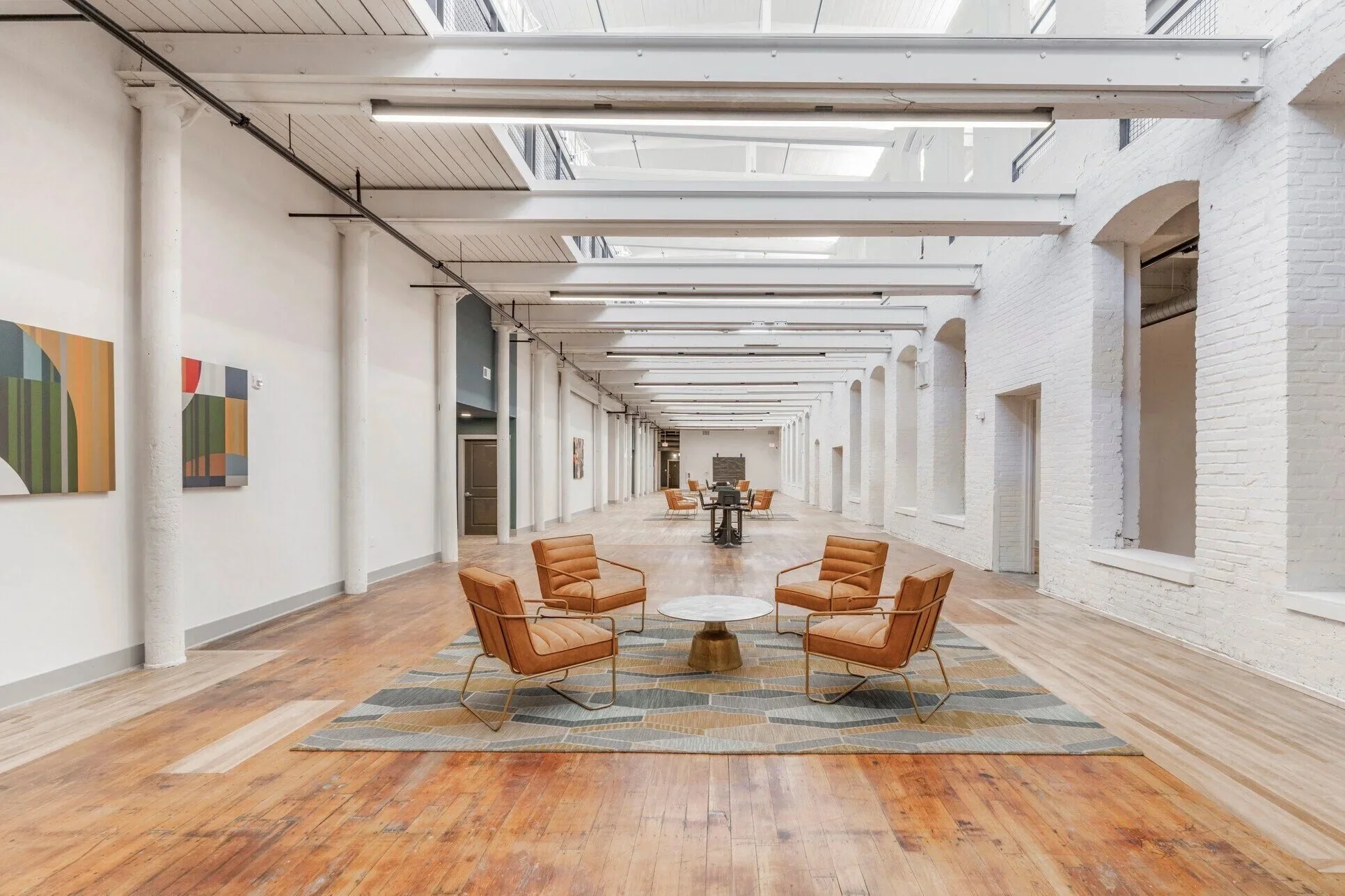
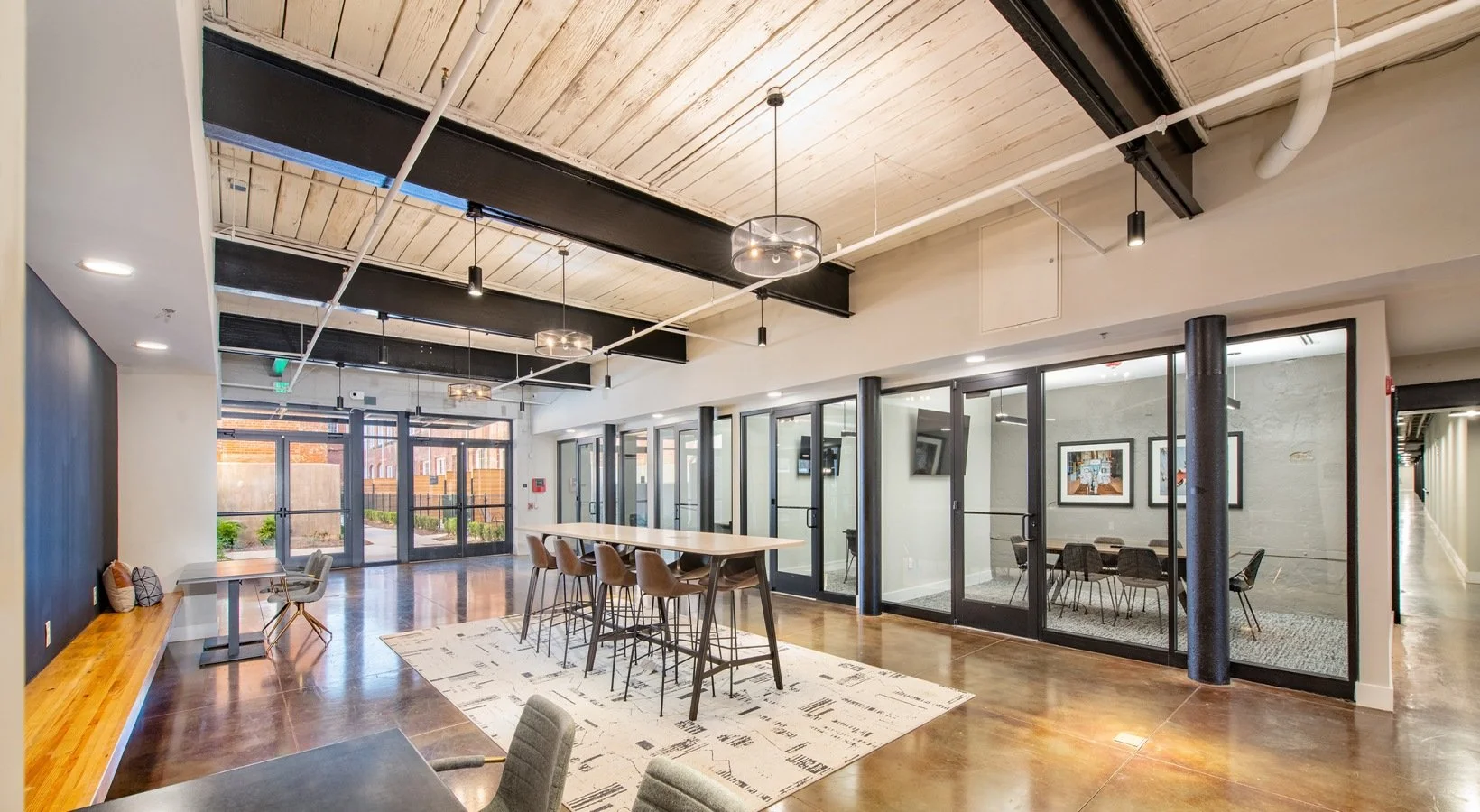
At Judson Mill, one of Greenville's most significant textile mills was reimagined as a mixed-use destination. Contemporary furnishings, statement artwork, and inviting gathering spaces complement the existing architecture, creating a space that honors the site's history while supporting a new chapter for the community. Adaptive reuse can also be used to support evolving community needs.
As adaptive reuse continues to shape the future of development across industries. In both residential and hospitality markets, among others, some of the most attractive renovation projects balance preservation with innovation, creating spaces that feel both authentic and relevant for today's users. It's a trend that was also evident all throughout NeoCon 2026, where many of the conversations centered around bringing familiar materials, timeless details, and historic influences into modern environments. Whether reimagining an existing building or incorporating elements inspired by the past, thoughtful design continues to prove that honoring a space's history can create more meaningful experiences for the people who use it.
Have an existing space ready for a refresh? Tell us about it. We’d love to help.